
Counselling for Young Adults - or Gen Z
In today's fast-paced world, counselling for Generation Z has become increasingly important as these young individuals navigate the complexities of modern life.
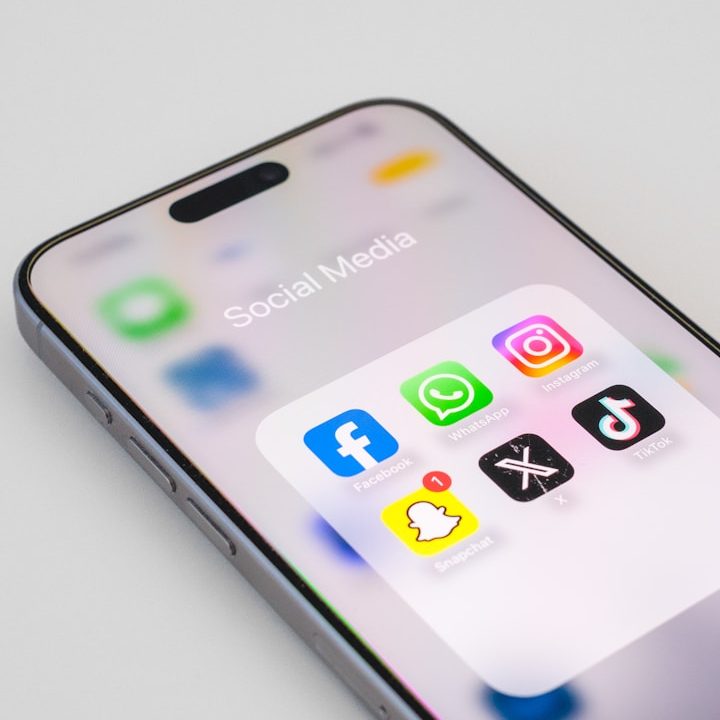
With the pressures of social media, academic expectations, and a constantly evolving job market, Gen Z faces unique challenges that can significantly impact their mental health. A key factor in this is the culture of instant gratification created by social media and digital technology, where quick likes, messages, and constant online feedback shape expectations around speed, validation, and success. This can make it harder to tolerate waiting, uncertainty, or slower emotional processes in real life.
In addition, the COVID-19 pandemic further intensified these challenges by disrupting education, social development, and daily routines during critical years, leaving many young people with lingering feelings of uncertainty, anxiety, or disconnection. Counselling offers an opportunity to slow down, creating a safe and intentional space where they can pause from constant stimulation, process these experiences, express their feelings, explore their identities, and develop healthier coping strategies.
As therapists adapt their methods to resonate with this digitally savvy generation, they incorporate technology alongside a deeper understanding of the cultural dynamics at play. By fostering open communication and building trust, counselling helps Gen Z move beyond the pressure of instant responses and immediate outcomes, encouraging reflection rather than reaction. In doing so, it not only supports mental health needs but also empowers individuals to thrive more sustainably in an ever-changing environment.